


Zing - Jewish Music Streaming
3.8472.00 Reviews
App Specs
- Version
- 3.6.5
- Updated On
- License
- Free
- Downloads
- 100,000+
- Developer
- ZING MUSIC INC
- Categories
- Music & Audio
- Platform
- Android
Screenshots
 Analysis by AppCompare
When I want music from a tradition that can be difficult to browse in a general streaming catalog, I find a focused service more useful than another endless list of recommendations. Zing - Jewish Music Streaming is built around that idea: it gives Jewish music the center of attention, so listening can be a way to explore a culture as well as fill a quiet moment. That focus is its clearest strength, though it also means the app makes most sense for listeners who actively want this musical world rather than a broad, all-purpose library.
A focused place to explore Jewish music
The main appeal is the chance to move among different sounds without first having to know exactly what to search for. Jewish music spans traditions and contemporary styles, and a dedicated listening app can make those connections easier to notice than a general service where the same artists may be scattered among unrelated recommendations. I’d use it both to revisit familiar songs and to find an unfamiliar style that gives me a reason to keep listening.
That focus changes the way I’d approach a session. Instead of opening the app with a single track in mind, I can treat it like a listening shelf organized around a musical interest: start with something recognizable, follow a suggestion or playlist, and see where the contrast takes me. For a listener who wants cultural discovery without turning every search into research, that is a practical advantage.
Discover the World of Jewish Music
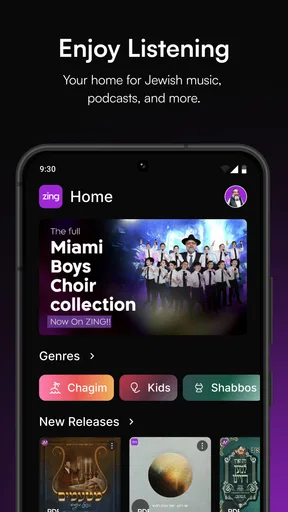
Alright, let's dive right in. When you first open Zing - Jewish Music Streaming, you’re greeted with a clean and intuitive interface. It’s like the app just gets you, you know? Everything is laid out so nicely that even a tech newbie would feel right at home.
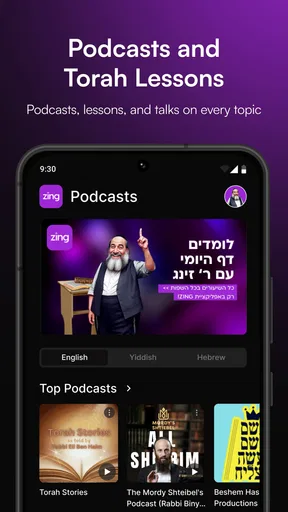
The app offers a vast collection of Jewish music, ranging from traditional melodies to modern hits. Whether you're into Klezmer, Sephardic, or even contemporary Jewish pop, Zing has got you covered. I found myself exploring genres I never even knew existed. It's like a musical treasure hunt, and I'm loving every second of it!
Easy Navigation and Search Features
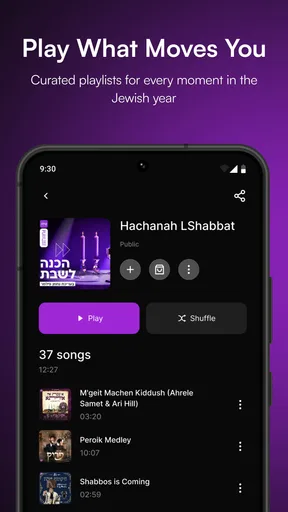
One of the first things I noticed was how easy it is to navigate the app. The search function is super handy and lets you find specific artists or songs in a jiffy. Plus, there are curated playlists that cater to different moods and occasions. Whether it's a chill evening at home or a festive celebration, there's a playlist for it.
And let me just highlight this: the search feature is incredibly responsive. No more endless scrolling or frustrating searches. You type, you find, you listen. Simple as that.
Worth Reading Before You Choose

EA SPORTS FC Mobile 26 Is a Bigger Football Game, but It Takes Time

Flipboard Shows What News Apps Must Do Beyond the Feed

Switching to Android Auto Means Rethinking Your Driving Routine

Google Calendar Makes a Crowded Week Easier to Manage

Ludo King Makes the Most of the Minutes Between Plans

Baby Panda World Brings Quick Play to Modern Phones, but Its Game Library Feels Busy
Using search as a listening route
Search is most helpful when I use it as a starting point rather than a one-off command. If I know an artist, I can go directly to that name; if I only remember part of a song or want to try a different corner of Jewish music, a broad query is a better first step. From there, I can let playlists widen the session instead of repeatedly interrupting it to decide what to play next.
A useful habit is to keep a note of names or styles that catch my ear while listening. That gives the next search a purpose and helps me build a personal route through the catalog, rather than relying on whatever happens to appear first. It is a small change, but it turns discovery into something I can return to when I have only a few minutes.
Personalized Experience
Now, here's where it gets even better. The app learns your preferences over time. It’s like having a personal DJ who knows exactly what you’re in the mood for. The more you use it, the better it gets at recommending tracks that suit your taste. I found myself nodding along to songs I didn’t even know I needed in my life.
The personalization doesn’t stop there. You can create your own playlists and share them with friends. It’s a great way to connect with others and share the love for Jewish music.
Making playlists useful beyond the app
I would make separate playlists for distinct purposes instead of one oversized collection: familiar songs for everyday listening, discoveries I want to revisit, and music that suits a particular gathering. This keeps a playlist easier to choose from when I am in a hurry, and it gives recommendations a clearer signal about what I actually enjoy. Sharing a playlist can also be a more thoughtful way to introduce someone to a style than sending a single track without context.
There is a trade-off, though. Personal recommendations become more useful only after I have spent time listening and responding to the app’s choices. If I mostly play one background playlist and never explore, the experience may stay narrow. I would treat suggestions as invitations, not as a substitute for searching deliberately when I want something specific.
Quality and Performance
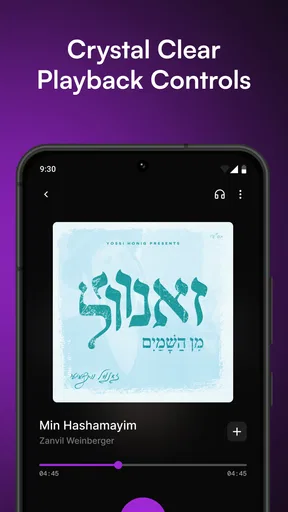
As someone who can be a bit picky about sound quality, I was pleasantly surprised by the audio clarity. The app streams music in high quality, so you can enjoy every note and beat in all its glory. No more fuzzy sounds or buffering issues. Just pure, uninterrupted music bliss.
The app runs smoothly on both Android and iOS, and I didn’t encounter any major hiccups. It’s always a relief when an app does what it’s supposed to without any drama, right?
Where it fits in a normal listening day
A realistic use for me would be a commute or a walk when I want one continuous thread of music, followed by a more deliberate session at home to look up a singer or style I heard earlier. The first part is about letting a playlist carry the mood; the second is about using search to follow curiosity. That split makes the app feel less like a catalog I need to manage and more like a companion for both background listening and focused discovery.
For a shared setting, I would choose the music before people arrive rather than browse while everyone waits. A playlist built around the occasion can keep the mood consistent, while a saved set of personal discoveries is better for solo listening. The distinction matters: music that suits my own exploration may not be the right choice for a gathering where guests have different tastes.
Offline Listening
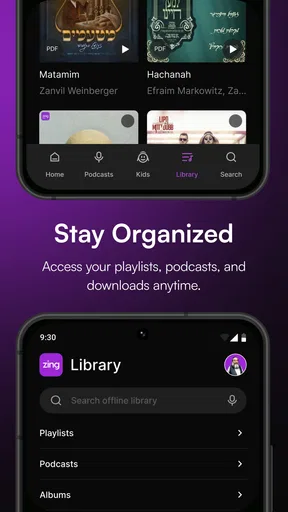
Oh, and here’s a feature I absolutely adore: offline listening. For those moments when you’re off the grid, you can download your favorite tracks and keep the music playing. Whether you’re on a long flight or just conserving data, this feature is a lifesaver.
Planning ahead for offline use
I would download a small, intentional selection before leaving a reliable connection rather than trying to prepare an entire library at once. A short playlist for a trip, plus a few dependable favorites, is easier to choose from and less likely to leave me scrolling when I would rather be listening. It also helps to check that the tracks I care about are available offline before relying on them during travel.
Offline listening is especially useful when the signal is unreliable, but it does not remove the need to plan. If I decide what I want only after I have lost access, I may not have the right music ready. I’d see downloads as preparation for a specific situation, not a reason to assume every listening session can happen without a connection.
Community and Connection
Zing isn’t just about listening to music; it’s about building a community. There’s a social aspect where you can follow other users, comment on playlists, and even join discussions. It’s a fantastic way to connect with fellow music enthusiasts and discover new tunes.
Plus, there’s a section dedicated to upcoming music events and festivals. So, if you’re looking to catch a live performance or join a music festival, Zing keeps you in the loop.
How it compares with general streaming apps
Compared with a broad music service, the advantage here is concentration: Jewish music is the reason to open the app, rather than one interest competing with a much larger mix of genres. That can make exploration feel more direct, particularly if I want to stay within this musical context. A general service may be a better everyday choice for someone who moves constantly between unrelated genres, wants one place for every listening habit, or already has a carefully built library elsewhere.
I would not treat the two approaches as interchangeable. A broad platform is usually the natural home for an eclectic queue spanning many scenes; a specialist app is more appealing when I want to explore Jewish music with fewer distractions. Someone unsure whether the focused catalog matches their taste can try it for a particular listening goal first, rather than expecting it to replace every music app they use.
Who benefits most, and what to consider
I think the best fit is a listener who already enjoys Jewish music, someone looking to learn more about it, or a person who wants music for a culturally specific occasion. It can also suit a curious listener who is happy to browse and build playlists over time. If I were choosing music for a quiet evening, a commute, or a planned gathering, its focused identity would give me a clear reason to reach for it.
It is less compelling if I want a single service for every genre, rely on a familiar general-purpose library, or have no interest in exploring this musical tradition. A focused catalog is a strength only when its focus matches what I want to hear. I would also keep an eye on the difference between free access and optional purchases: the app is free to start, while in-app purchases range from $6.99 to $179.99 per item, so I would review any purchase choice carefully rather than assume every part of the experience is included.
ZingMusic LTD has developed the app as a music and audio service, and its Google Play audience gives it an average rating of 4.0 from around 2.7 thousand ratings, with over 100 thousand installs. It is rated for Everyone, and version 3.6.5 requires Android 7.0 or later. Those details make it straightforward to assess basic compatibility, but the more important decision is still whether a specialist Jewish music service suits the way I listen.
Final Thoughts
All in all, Zing - Jewish Music Streaming is a must-have for anyone looking to explore the diverse world of Jewish music. With its extensive library, user-friendly interface, and personalized features, it’s a fantastic app that delivers on all fronts.
So, if you’re ready to immerse yourself in the rich and vibrant sounds of Jewish music, give Zing a try. Trust me, you won’t be disappointed. Happy listening!
Pros
- Vast library of Jewish music
- User-friendly interface
- Offline listening available
- High-quality audio streaming
- Curated playlists for holidays
Cons
- Limited free version features
- Occasional app crashes
- Ads in free version
- Requires stable internet for streaming
- Limited customization options
FAQs for Zing - Jewish Music Streaming
What is Zing - Jewish Music Streaming?
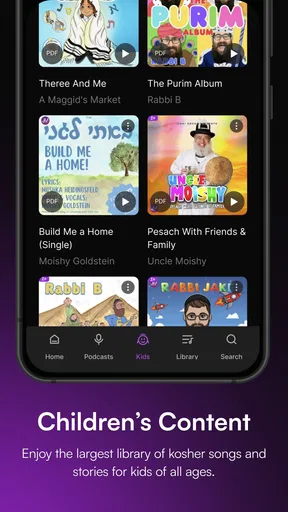
Zing is a dedicated music streaming app that focuses on providing users with a vast library of Jewish music. Whether you're into traditional, contemporary, or spiritual genres, Zing offers a curated collection that caters to diverse musical tastes within the Jewish community.
Is Zing available for both Android and iOS devices?
Yes, Zing is available for download on both Android and iOS platforms. Users can access the app through the Google Play Store for Android devices and the Apple App Store for iOS devices, ensuring a seamless experience across different devices.
Does Zing offer offline listening?
Zing provides offline listening capabilities for users who want to enjoy their favorite tracks without an internet connection. This feature is particularly useful for those who travel frequently or have limited data plans, allowing uninterrupted access to music anytime, anywhere.
Is there a subscription fee for using Zing?
Zing offers both free and premium subscription plans. The free version includes basic features with occasional ads, while the premium version offers an ad-free experience with additional features like offline downloads and exclusive content. Users can choose the plan that best fits their needs.
How does Zing support emerging Jewish artists?
Zing actively supports emerging Jewish artists by featuring their music on the platform and providing them with exposure to a wider audience. The app includes curated playlists, artist spotlights, and promotional opportunities, helping new talents gain recognition and grow their fan base.


